Every summer, millions of people return from holiday wondering why they don’t feel as rested as they expected.
We often assume it’s because we tried to fit too much into the itinerary, the flights were stressful or we chose the wrong destination. While those things can certainly affect our experience, I’ve come to believe there’s another explanation that receives far less attention.
We don’t come home tired because we chose the wrong holiday.
We come home tired because, even while we were away, we never stopped managing everything.
For many of us, work isn’t simply something we leave behind when we close the laptop. What drains us isn’t always the work itself, but the constant stream of decisions that fills our days. We decide what needs our attention first, who to respond to, what problems to solve and how to balance competing priorities. Over time, that continuous decision-making creates mental load, often without us even noticing.
The surprising thing is that many holidays ask us to do exactly the same thing.
Holidays don’t always give our minds a rest
Think about a typical day away.
Before you’ve even left your accommodation, you’ve already started making decisions.
- Where shall we have breakfast?
- What should we do today?
- How do we get there?
- Should we book tickets in advance?
- Where shall we eat this evening?
- Who’s organising what?
- What happens if the weather changes?
None of these questions feels particularly demanding on its own. In fact, they’re often part of the excitement of exploring somewhere new.
The challenge is that they rarely come one at a time.
One decision leads to another, and another after that. By the end of the day, we’ve spent hours planning, comparing, organising and coordinating. Although we’re physically away from work, our brains are still doing what they’ve been trained to do: manage.
The scenery has changed.
Our thinking often hasn’t.
The difference between being away and truly resting
One of the things I’ve become increasingly interested in is the difference between taking time away from work and giving our minds genuine space to recover.
They’re not always the same thing.
Real rest isn’t simply about stopping work. It’s about giving our minds fewer things to organise so our attention can move away from planning and back towards experiencing.
(This way the decision word doesn’t repeat too much in the document, as I’ve seen it quite a lot)
I’ve noticed that the holidays I remember most clearly aren’t necessarily the most luxurious or the most ambitious. They’re the ones where I felt able to be completely present because I wasn’t constantly thinking about what needed to happen next.
That shift may seem small, but I’ve found it changes the entire experience.
What walking holidays have taught me
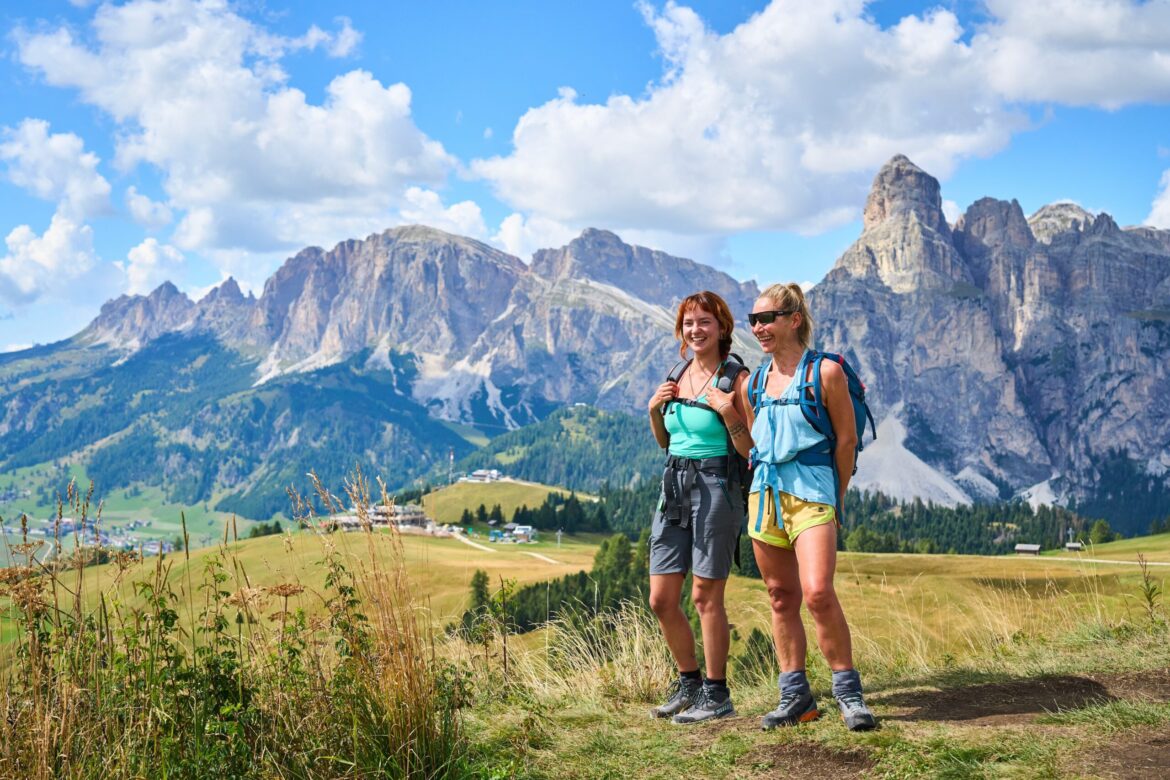
One of the reasons I’ve grown to love walking holidays is because they quietly remove so many of the decisions that usually occupy my mind.
Each morning, I already know where I’m walking, where I’ll be stopping for lunch and where I’ll be sleeping that evening. The route has been planned, the accommodation has been booked, and the next step is wonderfully simple.
All I need to do is start walking.
I noticed this most clearly on my own Camino. After a couple of days, I realised I wasn’t constantly thinking ahead. I knew where I was walking, where I would stop and where I would sleep. There was very little to manage. Somewhere along the way, my mind became quieter too.
At first glance, it might not sound particularly significant. Yet I’ve found that removing dozens of small decisions creates something surprisingly valuable.
Mental space. The kind that’s become surprisingly rare.
Instead of thinking about logistics, I begin noticing the landscape around me. Conversations become deeper because my attention isn’t divided. I find myself observing details that I might otherwise have hurried past. Ideas emerge naturally, not because I’m trying to solve a problem, but because my mind finally has room to wander.
Walking reminds me that our brains weren’t designed to operate at full capacity every waking hour.
Sometimes they simply need less to manage.
Perhaps we’ve mistaken choice for luxury
Modern travel offers us more choice than ever before.
Within minutes, we can compare hundreds of hotels, read thousands of reviews and build detailed itineraries. We often associate this abundance of choice with freedom because having options feels like a luxury.
Yet I’ve started to wonder whether unlimited choice has quietly become one of the reasons so many of us struggle to switch off.
Every option invites another comparison. Every comparison asks for another decision. Before we’ve even booked a holiday, we’ve often spent hours researching whether we’ve made the “right” choice.
The same pattern continues once we arrive.
Ironically, what many of us are searching for isn’t more choice at all.
It’s relief from having to make quite so many decisions.
Perhaps the luxury we really want isn’t another recommendation or another option to consider.
Perhaps it’s the freedom to stop evaluating every possibility and simply enjoy the one we’ve already chosen.
What travel can teach us about everyday life
I’ve come to believe this isn’t only a lesson about holidays.
It’s a lesson about how we live.
Many of us carry an invisible mental checklist that follows us everywhere. We manage work deadlines, family commitments, appointments, shopping, finances and countless small decisions that keep life moving forward. Then we go on holiday and unknowingly recreate exactly the same pattern in a different setting.
Maybe that’s why some holidays leave us refreshed while others leave us wondering where the week disappeared.
The destination matters, of course.
But so does the amount of thinking we carry with us.
When we reduce unnecessary decisions, whether we’re travelling or simply living our everyday lives, we create space for something that’s becoming increasingly rare.
We notice more.
We listen more carefully.
We become more present with the people around us.
We give our minds permission to stop solving problems for a while.
That, to me, is what genuine rest feels like.
The luxury worth seeking
For years, we’ve been encouraged to believe that luxury means having more.
More destinations.
More experiences.
More upgrades.
More choice.
I’m beginning to think we’ve misunderstood what many of us are really searching for.
Perhaps the greatest luxury isn’t having more options.
Perhaps it’s reaching the point where our minds no longer need to organise every moment of the day.
Whether it comes through slower travel, a walking holiday or simply creating more breathing room in everyday life, it offers something that no five-stars hotel can guarantee..
The opportunity to stop managing everything.
To become fully present.
And to return home feeling genuinely rested, not because we escaped our lives for a week, but because, for a little while, we allowed our minds to rest as well.