When people first enter the world of FX trading, they usually expect success to come from strategies, indicators, or finding the perfect market setup. Most beginners spend their early months searching for stronger signals, faster entries, or systems that seem more accurate than everything else they have already tried. While technical knowledge does matter, many traders eventually realise that long term consistency is often shaped by quieter habits that rarely receive much attention.
These habits are not dramatic, but they influence decision making every single day.
One of the most important skills traders slowly develop is emotional balance. At the beginning, every movement in the market feels important. A small profit creates excitement, while a losing trade can completely ruin confidence for the rest of the day. Many beginners underestimate how emotional trading can feel once real money and real uncertainty become involved. Over time, experienced traders begin learning how to stay calmer during unpredictable conditions instead of reacting emotionally to every movement happening on the screen.
In FX trading, this emotional control becomes extremely valuable because markets constantly create situations that test patience and discipline. Traders who panic easily during volatility often make rushed decisions that damage consistency. Meanwhile, traders who remain mentally steady usually think more clearly and manage difficult situations far better over time.
Another quiet skill that strong traders develop is patience. This sounds simple when discussed casually, but the reality feels very different once someone actively watches the market every day. Prices move constantly, opportunities seem endless, and many beginners feel pressured to stay active because they believe successful traders are always doing something. Eventually, experience changes this perspective completely.
Many experienced traders spend far more time observing than trading. They understand that not every market condition deserves action, and they become comfortable waiting for situations that genuinely match their approach. This ability to remain patient without forcing unnecessary trades often protects both confidence and trading capital much more effectively than aggressive decision making ever could.
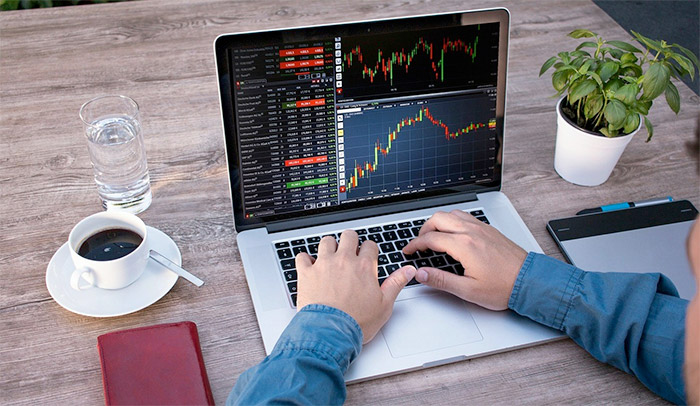
Simplicity is another habit that quietly shapes stronger traders over time. Beginners often overload themselves with information because they assume more indicators and more analysis automatically improve results. Instead, this usually creates confusion. Charts become crowded, signals conflict with one another, and traders begin second guessing every decision they make.
After enough experience, many traders naturally simplify their routines. Cleaner charts, steadier habits, and fewer distractions often create much clearer thinking during active market conditions. In FX trading, simplicity tends to improve concentration because traders focus more on market behaviour itself rather than trying to process overwhelming amounts of information simultaneously.
Another overlooked skill is emotional recovery after losses. Every trader experiences difficult trades. What separates stronger traders is often how they respond afterward. Some traders carry frustration into the next decision, which creates revenge trading and impulsive behaviour. Others take a step back, reset mentally, and return with a calmer mindset before entering the market again.
This emotional resilience becomes one of the most valuable long term skills a trader can build because the market will always contain uncertainty and setbacks.
In the end, successful trading is rarely built on dramatic moments alone. Behind strong performance, there are usually quieter habits working consistently in the background. Patience, emotional balance, discipline, and simplicity may not look exciting from the outside, but in FX trading, these habits often become the foundation supporting traders who continue improving steadily over time.